Cats are healthier when they hunt. Even the indoor ones.
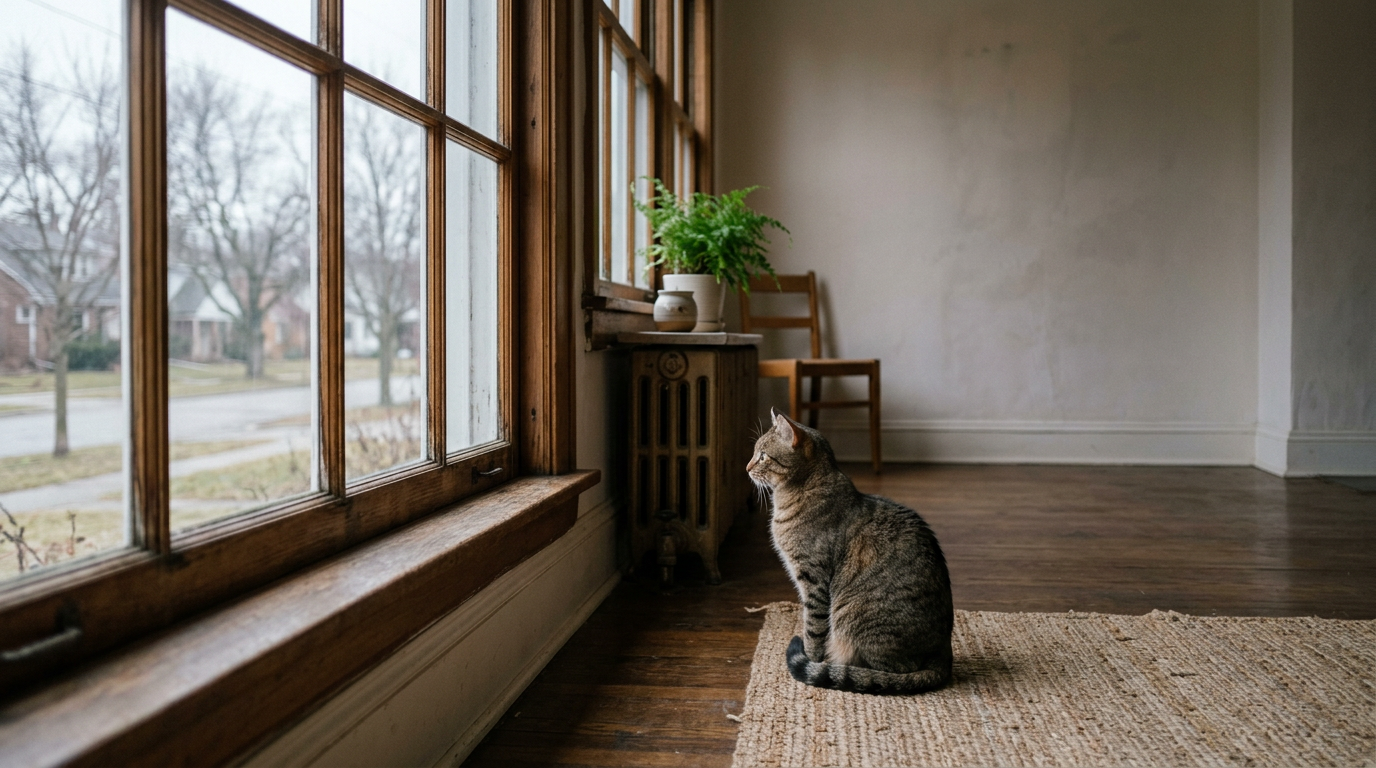
Your cat is a predator with nothing to hunt. That gap sits behind more couch-shredding, midnight sprints and quiet weight gain than most owners realise — and closing it is simpler than it sounds.
The iMeow journal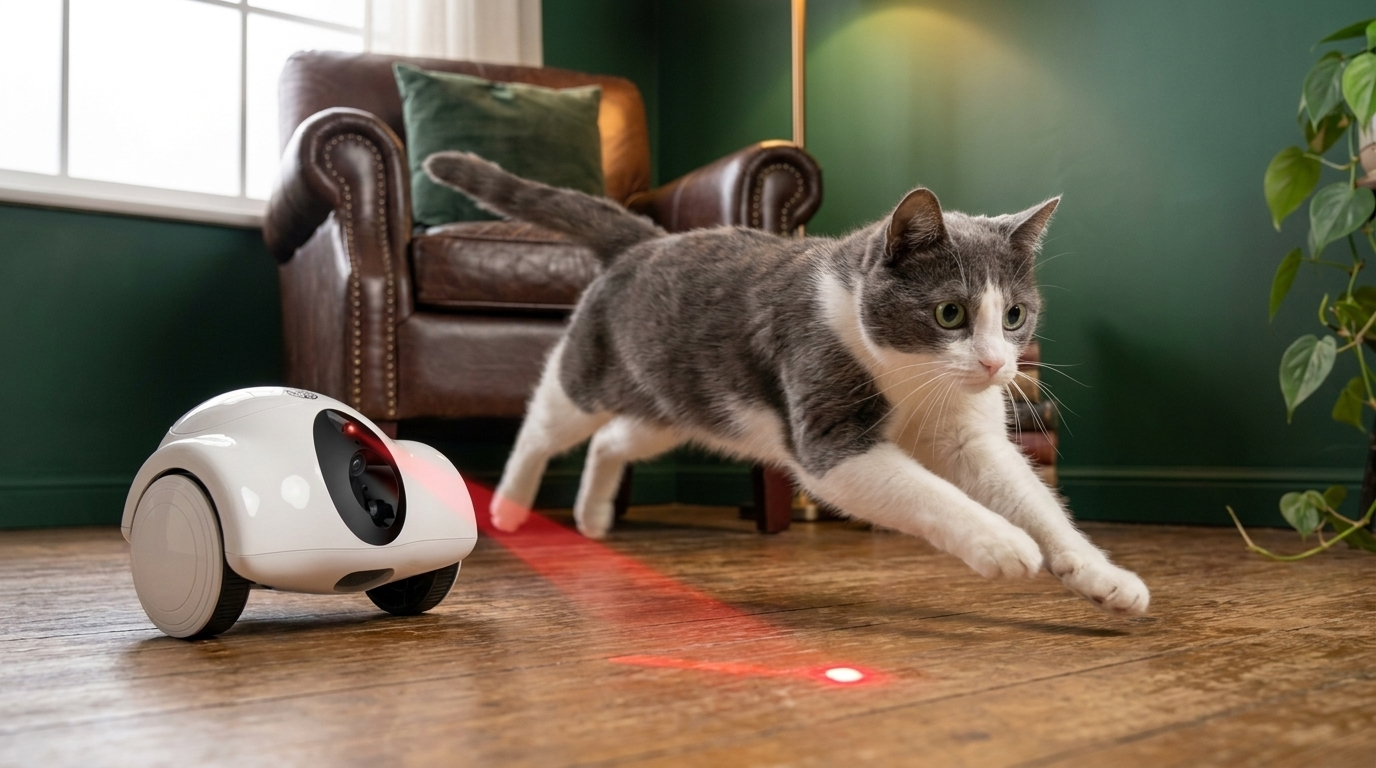
A predator on a rug
Strip away the loaf poses and the sunbeam naps and your house cat is, structurally, the same animal as the one stalking a field. Same eyes built to lock onto movement, same spring-loaded back legs, same instinct that fires when something small darts across the floor. We bred the size down, not the wiring.
An outdoor cat runs that program dozens of times a day — stalk, chase, pounce, catch, reset. An indoor cat has the exact same program and, most days, nothing at all to run it on.
The hunt is a full-body workout
A real chase is not gentle exercise. It is sprint intervals: explosive bursts, hard stops, twists and leaps, with rest in between. That is precisely the kind of movement that keeps a cat lean, keeps joints working, and burns off the nervous energy that otherwise comes out sideways at two in the morning.
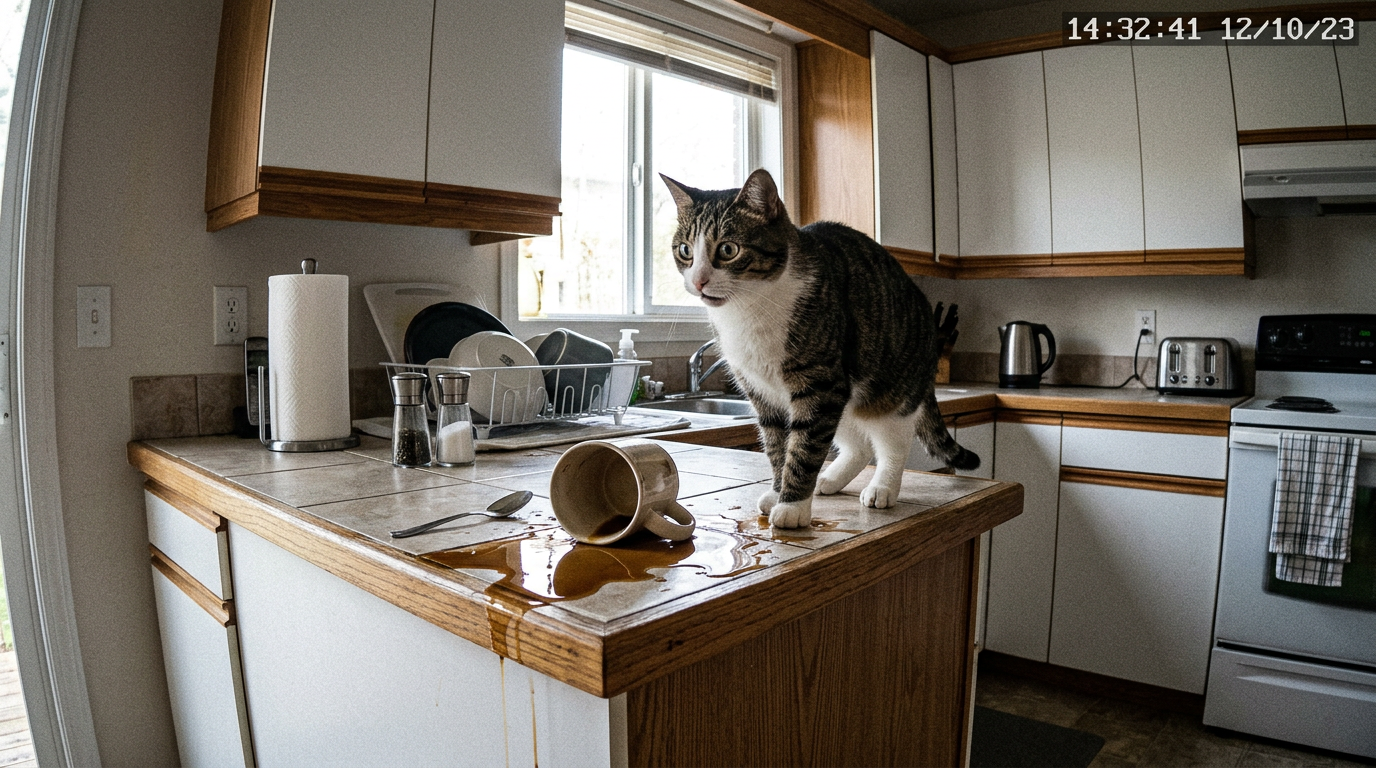
Take the hunt away and two things creep in. The body slows — indoor cats trend heavier, and the extra weight quietly loads their joints. And the mind gets restless, because a hunting brain with no hunt is a bored brain looking for a job. A tired cat is usually a calm, healthy cat. (Wellness and behaviour here, not a substitute for your vet.)
You don't have to fix your cat. You have to give them something to hunt.
Play is the hunt, in miniature
This is why behaviourists talk about play as if it were medicine. To a cat, play is not a cute break from real life — it is the hunt, scaled down. The stalk behind the couch, the wiggle, the pounce on a moving target: that is the whole predatory sequence, and completing it is what leaves a cat satisfied rather than wound up.
The catch matters too. A hunt that never ends in a result — a target caught, ideally followed by something to eat — leaves a cat frustrated. It is why ending a play session with a treat, rather than an abrupt stop, tends to settle them so well.
How much is enough
You do not need an hour. Most cats do well on a couple of short, real sessions a day — ten to fifteen minutes of genuine chasing, not half-hearted string-dragging. The trick is consistency and a target that actually moves like prey, because a moving target is the only kind their instinct fully commits to.
That is the whole case for a toy that rolls and darts on its own, even while you are out: it lets a full-blooded predator do the thing it was built to do, in the middle of an ordinary Tuesday, in a third-floor apartment. Give the hunt back, and a lot of the problems turn out to have just been a predator with nowhere to put itself.